
Sabarmati-1: How a Gujarat Startup Is Building India’s Indigenous IoT Chip
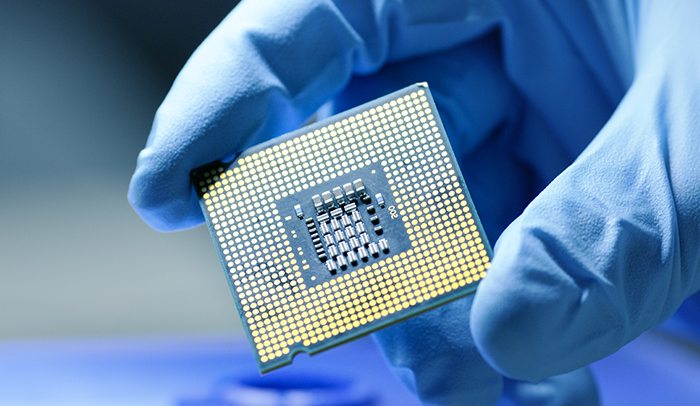
In a significant boost for India’s semiconductor sovereignty, Gujarat-based fabless startup IndieSemiC has partnered with US-based semiconductor leader Semtech Corporation to develop the Sabarmati-1—a 64-bit RISC-V-based System-in-Package (SiP) with integrated LoRa connectivity for Internet of Things applications . The announcement was made in the presence of senior officials, including India Semiconductor Mission CEO Amitesh Sinha, at the Ministry of Electronics and Information Technology in New Delhi .
The Indigenous Chip Stack
The Sabarmati-1 platform combines two powerful technologies: RISC-V architecture, an open-source instruction set that offers design flexibility without licensing fees, and Semtech’s LoRa technology, which enables long-range, low-power wireless communication . The SiP design integrates multiple components into a single package, reducing board space and power consumption while improving performance for IoT applications.
“Sabarmati is a 64-bit general-purpose SiP platform based on the RISC-V architecture with Semtech’s LoRa technology integrated for low-power, long-range wireless communication,” said Nikul Shah, founder of IndieSemiC . The platform is designed for applications spanning industrial automation, smart cities, asset tracking, smart lighting, smart metering, agriculture, logistics, and healthcare .
From Gujarat to Global Markets
IndieSemiC’s journey illustrates the rapid maturation of India’s semiconductor ecosystem. Founded just a few years ago in Ahmedabad, the startup has already been shipping RF modules to global clients and developing defense-grade secure chips . The company specialises in creating RISC-V-based chipsets and RF modules for home automation, automotive, security, surveillance, and IoT applications—offering a “Make in India” alternative to imported silicon .
The Sabarmati collaboration builds on this foundation, leveraging Semtech’s expertise in LoRa technology that powers millions of devices worldwide. The partnership represents a strategic move to create an indigenous, globally competitive IoT chip platform that can serve both domestic and international markets.
Ecosystem and Policy Backing
The project has strong government support, with the announcement made at the Ministry of Electronics and Information Technology and attended by key officials from the India Semiconductor Mission . This reflects India’s broader push for semiconductor self-reliance under initiatives like the Design Linked Incentive (DLI) scheme, which has sanctioned 23 chip design projects and supported over 70 firms with EDA tools and foundry services .
Gujarat has also been aggressive in building its semiconductor ecosystem. The state’s Semiconductor Policy (2022-27), support from the Gujarat State Electronics Mission, and coordination with the India Semiconductor Mission have attracted investments across the value chain . Three semiconductor manufacturing facilities in Gujarat entered commercial operations earlier this year, complementing the growth of fabless startups like IndieSemiC .
Strategic Significance
The Sabarmati-1 chip is more than a product—it’s a signal of India’s semiconductor sovereignty. By leveraging open-source RISC-V architecture, the design avoids the licensing costs and geopolitical risks associated with proprietary architectures like ARM or x86. The integration of LoRa technology positions the platform for the rapidly growing IoT market, which is projected to connect billions of devices across agriculture, logistics, healthcare, and smart infrastructure.
As Neha Kumari, Mission Director of the Gujarat State Electronics Mission, noted, the state is committed to supporting companies working toward building a “globally competitive semiconductor ecosystem in Gujarat” . With the Sabarmati series, IndieSemiC is demonstrating that Indian startups can collaborate with global leaders to build world-class semiconductor solutions from Indian soil.