
Yulu & Bounce Infinity Return to Funding Market as Gig-EV Rentals Surge
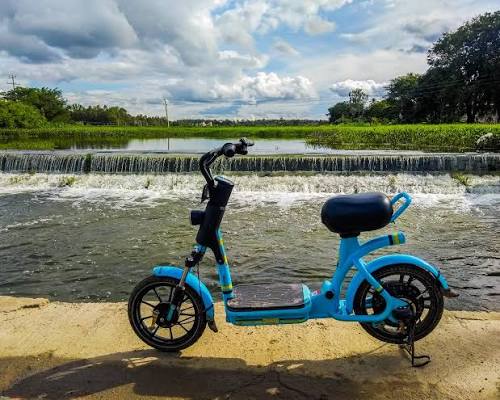
The electric mobility sector is witnessing renewed investor interest, with two of India’s leading startups, Yulu and Bounce Infinity, back in the funding market to raise fresh capital. The fundraising push comes as demand from the quick-commerce and food-delivery sectors continues to surge across the country .
The Funding Plans
Yulu is reportedly in talks to raise $50 million** at a valuation of approximately **$250 million, up from its previous valuation of $200-210 million. The Bajaj Auto-backed company is said to be in discussions with GEF Capital and One Planet Partners .
Bounce Infinity is seeking a smaller round of $20-25 million**, though the potential investors for this round could not be immediately ascertained . The development comes after Bounce raised **$5 million in an internal round in March 2026, led by existing backers Accel, B Capital and Qualcomm Ventures .
The Gig Economy Pivot
Both companies have successfully rebuilt their business models around the gig economy after the COVID-19 pandemic disrupted the shared mobility sector .
Yulu, which initially focused on office commuters, has pivoted decisively toward gig workers. The company now claims to operate one of India’s largest EV fleets with 45,000 electric two-wheelers across Bengaluru, Mumbai, Delhi NCR, and Hyderabad. Its delivery EVs are integrated with major platforms including Zomato, Swiggy, Blinkit, Flipkart Minutes, Instamart, and Zepto . Yulu’s platform has helped gig workers save 30–40% more compared to operating petrol vehicles, and the company reports facilitating approximately 700,000 orders daily .
Yulu has also reached a major milestone, with its EVs cumulatively covering 2 billion kilometres—a figure that doubled in just 14 months, having taken six years to reach the first billion . Over 500,000 gig workers have used the platform to date, and the company claims to have helped avoid 54 million kilogrammes of urban CO2 emissions .
Bounce Infinity, which began as Wicked Ride (a premium motorcycle rental service), has similarly pivoted multiple times. After the pandemic hit its rental business severely, the company liquidated most of its fleet and moved into manufacturing electric scooters . Today, Bounce operates as a full-stack electric mobility firm, manufacturing EV scooters and renting them to gig workers through flexible models like “Bounce Daily” rental plans .
The company has also focused on building its battery-swapping infrastructure through a partnership with SUN Mobility to deploy 30,000 scooters across key markets . This strategy addresses one of the key challenges for delivery workers: reducing downtime caused by charging.
Improving Financial Performance
The renewed fundraising comes as both companies have narrowed their losses significantly:
- Yulu reduced its losses by 12% to ₹126 crore in FY25 .
- Bounce narrowed its loss to ₹28.6 crore in FY25, down from ₹79.4 crore in FY24, though revenue declined to ₹64.2 crore .
Yulu achieved EBITDA profitability in November 2024, driven largely by demand from quick commerce platforms. Its revenue from operations grew 188% to ₹119.9 crore in FY24 .
Broader Sector Momentum
The interest in Yulu and Bounce comes at a time when the broader energy transition theme is emerging as one of the fastest-growing sectors within India’s deeptech venture ecosystem . However, investors are becoming more selective, shifting focus from pure EV bets to EV infrastructure and energy storage solutions .
Several other startups are also in fundraising mode, including Baaz Bikes ($15 million), Emo Energy ($16-21 million), and electric tractor startup Moonrider ($20 million) . This suggests a sector that is maturing and attracting more discerning capital.
Outlook
For Yulu and Bounce, the fresh capital is expected to help them expand their fleets, enter new cities, and strengthen their infrastructure support for delivery workers . Yulu has already set a target to double its fleet size in FY2027 and enter several new cities .
As India’s quick-commerce and last-mile delivery ecosystem continues to grow, the role of EV startups as enablers of green logistics is only set to expand. The question now is whether these companies can maintain their momentum while navigating a more selective funding environment.