Brake Failures & Breakthroughs: How First-Gen Founders are Using IoT to Reinvent Rail Safety
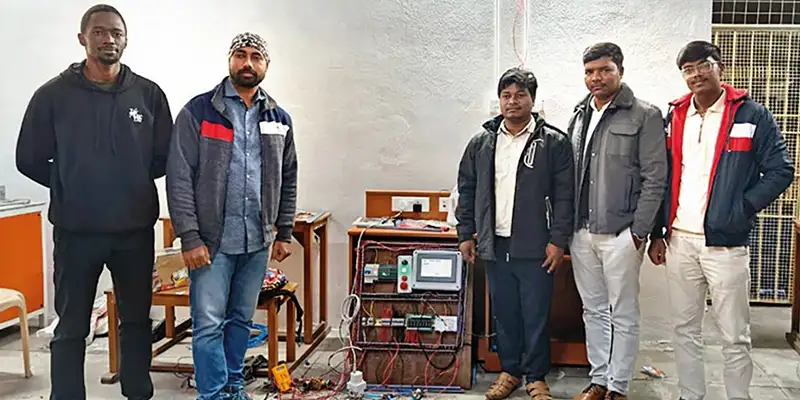
In a powerful testament to India’s democratizing innovation ecosystem, a Bengaluru-based deep-tech startup, founded by entrepreneurs from humble, non-privileged backgrounds, has secured a critical pilot project with Indian Railways. Their mission: to deploy an IoT-enabled sensor system designed to detect critical failures, like brake malfunctions, in real-time. This isn’t just a business contract; it’s a story of how personal experience, cutting-edge technology, and national need are converging to build a safer future for millions.
Driven by the visceral impact of witnessing railway accidents, these first-generation founders—with no family legacy in tech or business—have channeled their resolve into a robust solution. Their work represents a significant shift: India’s colossal railway modernization is increasingly being powered by indigenous, homegrown deep-tech, moving beyond import dependency to foster sovereign innovation.
The Innovation: From Reactive to Predictive Safety
The startup’s core technology is a network of advanced sensors and a data analytics platform that moves rail safety from a reactive to a predictive paradigm.
- Real-Time Monitoring: IoT sensors are installed on rolling stock to continuously monitor the health of critical components like brake systems, bearings, and wheels.
- Data Analytics & Edge Computing: The system analyzes vibration, temperature, pressure, and acoustic data in real-time, using edge computing to process information on the train itself to avoid latency.
- Predictive Alerts: By identifying subtle anomalies and patterns that precede a failure, the system can generate early warnings for maintenance crews, allowing them to address issues before they lead to a breakdown or derailment.
- Lifecycle Data: Creating a digital health record for each component, enabling optimized maintenance schedules and reducing costly unscheduled downtime.
Aligning with a National Mission: The Kavach Ecosystem
This pilot dovetails perfectly with Indian Railways’ monumental safety and modernization drive, particularly the Kavach (Train Collision Avoidance System) initiative. While Kavach focuses on signaling and preventing collisions, this sensor-based health monitoring system addresses the equally critical domain of preventive asset integrity.
Together, they represent a holistic tech stack for rail safety:
- Kavach: Protects between trains (signaling, speed control).
- Predictive Sensor Systems: Protects the train itself (component health, derailment prevention).
This synergy showcases how startups can fill specific, high-value niches within broader national infrastructure programs, creating a layered defense against accidents.
The Founders’ Journey: From Witnessing Problems to Engineering Solutions
The most compelling aspect of this story is its human origin. The founders’ “early exposure to railway accidents” transformed a traumatic event into a driving purpose. Coming from backgrounds with no safety net in entrepreneurship, their path underscores several key shifts in India’s deep-tech landscape:
- Democratization of Deep-Tech: Access to cloud computing, open-source tools, and prototyping labs has lowered barriers, allowing talent from any socioeconomic background to build hardware-software solutions.
- Problem-First Innovation: The startup was born from a visceral understanding of a real-world, high-impact problem, not just a desire to leverage trendy technology.
- Policy and Ecosystem Support: Government initiatives promoting Atmanirbhar Bharat and startups, along with easier pilot project access for MSMEs, are creating pathways for small firms to scale their solutions within the public sector.
The Ripple Effect: Why This Pilot Matters
The success of this pilot could have transformative implications:
- Saving Lives and Livelihoods: Preventing even a single derailment saves lives, prevents injuries, and avoids the massive economic disruption caused by line blockages.
- Operational Efficiency: Predictive maintenance reduces breakdowns, improves fleet availability, and cuts long-term maintenance costs for Railways.
- Inspiring a Generation: It serves as a beacon, proving that young Indians from any town or background can leverage technology to solve the country’s most pressing challenges. It redefines entrepreneurship as a vehicle for public impact.
- Building a Playbook: It creates a blueprint for how other deep-tech startups can engage with large, complex public-sector undertakings in energy, defense, and urban infrastructure.
The Challenges Ahead
Scaling from a successful pilot to nationwide deployment will require navigating stringent certification processes, ensuring robustness in extreme environmental conditions, and integrating data seamlessly into Railways’ existing operations. The founders will also need to master the art of working within the framework of a giant public utility.
Conclusion: Engineering a Safer, More Self-Reliant Future
This Bengaluru startup’s journey is a microcosm of India’s aspirational tech narrative. It’s a story where grit meets AI, where personal purpose aligns with national priority, and where indigenous innovation is tasked with safeguarding national assets.
Their pilot project is more than a business milestone; it’s a signal that India’s infrastructure transformation will be increasingly powered by its own entrepreneurs. By proving that first-gen founders can develop mission-critical technology for the world’s largest railway network, they are not just preventing derailments—they are derailing the old notion that breakthrough innovation requires a privileged pedigree. The tracks to a safer, smarter, and self-reliant future are being laid, one sensor at a time.