India’s Public Market Coming of Age: The 2026 IPO Wave and the Rise of the Profitable, Proven Startup
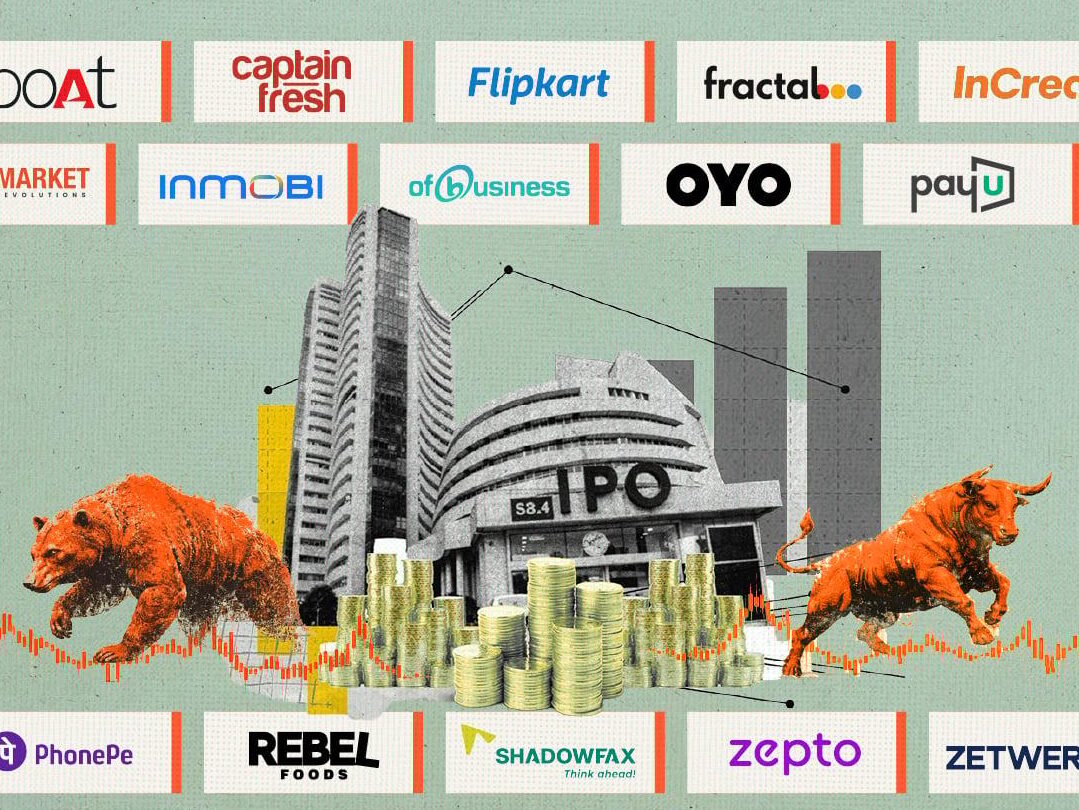
Following the record-shattering performance of 2025, India’s startup ecosystem is poised for an even more monumental leap. The IPO pipeline for 2026 is not just robust; it is historically deep and qualitatively superior, with over 44 companies in active preparation for a potential collective raise of ₹50,000 to ₹70,000 crore. This impending wave—featuring giants like PhonePe, Zepto, OYO, and Fractal Analytics—signals a profound maturation: India’s public markets are no longer an experimental exit route but the primary destination for scaled, profitable, and governance-ready new-age companies.
This surge is the culmination of a decade of building, a year of proving (2025’s successful listings), and a strategic shift in investor and founder mindset. It represents the mainstreaming of the Indian tech story into the nation’s capital markets, creating a new asset class for millions of investors and cementing the link between private innovation and public wealth creation.
Decoding the 2026 Pipeline: Quality Over Quantity, Substance Over Hype
The composition of the 2026 pipeline reveals the market’s evolved palate:
- The Profitability Imperative: The headline names—PhonePe, Fractal, Zetwerk, Infra.Market—are not burning cash for growth. They are, or are on a clear path to being, profit-generating businesses. The public market mandate is now unequivocal: demonstrate sustainable unit economics. The era of listing on growth-at-any-cost narratives is over.
- Sectoral Sophistication: The pipeline moves beyond consumer internet.
- Fintech (PhonePe): Showcasing regulated, governance-heavy models that have navigated complexity and achieved scale.
- Deeptech (Fractal, potential semiconductor plays): Highlighting IP-driven, export-ready businesses bolstered by policy tailwinds like the India-EU trade pact.
- SaaS & Digital Infrastructure: Valued for their predictable recurring revenue and global customer bases.
- Real Economy Enablers (Zetwerk, Shadowfax): Proving that digitizing manufacturing and logistics can build public-market-worthy companies.
- The “Governance Premium”: After the scrutiny of 2023-24, companies entering the pipeline have spent years strengthening compliance, board structures, and financial reporting. They are listing not just to raise capital, but to earn the credibility premium that comes with being a publicly accountable entity.
The Catalysts: Why the Wave is Building Now
- The 2025 Proof Point: The successful listings and after-market performance of 2025’s cohort (companies like those from the tech sector) de-risked the IPO path for others, providing a blueprint and building investor confidence in startup fundamentals.
- The Dry Powder & Exit Imperative: The $12.1 billion in new VC funds raised in 2025 creates pressure for exits to return capital to LPs. The public markets offer the scale of liquidity that secondary sales cannot match for large, mature companies.
- Strategic & Policy Tailwinds: Government push for deep-tech, manufacturing, and sovereign IP aligns with the profiles of many pipeline companies, creating a favorable narrative. The inclusion of startups in major indices also attracts institutional capital.
- Founder & Employee Liquidity: After a long haul, founders and early employees see a legitimate path to realizing wealth, which is crucial for recycling capital and talent into the next generation of startups.
The Bigger Picture: Creating a Permanent Tech Cornerstone in Indian Finance
This IPO wave will irrevocably change India’s financial landscape:
- Democratizing Ownership of Innovation: Retail investors will get direct access to the country’s growth story, moving beyond legacy sectors.
- Building Benchmark Valuations: It will establish true market-driven valuations for different tech sectors, creating a reference point for private markets and reducing valuation arbitrage.
- Strengthening the Ecosystem Flywheel: Successful exits provide capital for new funds and inspire the next cohort of entrepreneurs, creating a self-sustaining cycle of innovation and capital.
Challenges and Scrutiny: The Bar is High
The road to a successful listing is fraught with heightened scrutiny:
- SEBI’s Vigilance: Regulators will rigorously examine governance, related-party transactions, and profitability sustainability.
- Market Sentiment & Volatility: Global macro conditions can impact timing and valuation, requiring flexibility from issuers.
- The Post-IPO Performance Test: The true test is not the listing day pop, but sustained performance over quarters, which will depend on delivering consistent growth and profitability.
Conclusion: The Graduation Ceremony for India’s Startup Ecosystem
The 2026 IPO pipeline is more than a list of companies; it is a collective graduation ceremony. It marks the moment when India’s homegrown startups transition from being venture-backed projects to becoming pillars of the public economy, accountable to shareholders and contributing to the nation’s market capitalization in a meaningful way.
This wave will separate the durable enterprises from the transient ventures. It will answer whether Indian tech can build not just for valuation, but for enduring value. As names like PhonePe and Fractal ring the opening bell, they won’t just be listing shares; they will be listing a new chapter of Indian capitalism—one written in code, built on unit economics, and open for all to own. The private party is over; the public legacy begins.
Stay tuned to Startup Point for continuous tracking of DRHP filings, in-depth analysis of each major IPO, and insights into post-listing performance in 2026.