
Government Bets Big on Semiconductor Startups
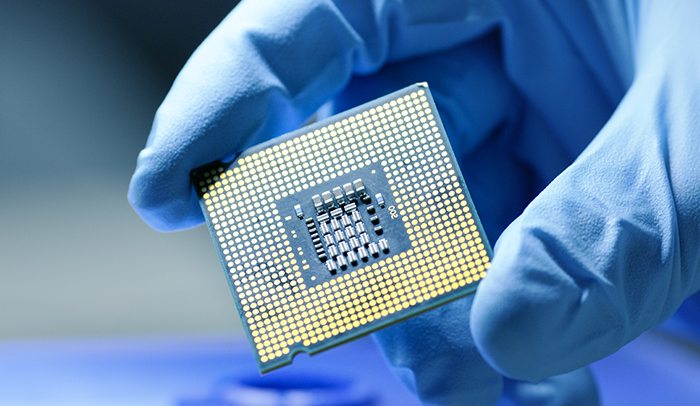
The Indian government has placed a significant bet on its semiconductor future. With the approval of the Semicon 2.0 policy and a massive ₹1,27,500 crore outlay, a new model is being rolled out that fundamentally changes how the state supports deep-tech innovation. Moving beyond simple grants, the government is positioning itself as a co-investor, taking equity stakes in promising semiconductor startups to fuel the next wave of chip design and manufacturing in India.
⚙️ A New Model for Deep-Tech Funding
Semicon 2.0 introduces several key changes to the support framework for semiconductor startups, designed to address the unique capital requirements of the industry.
- Milestone-Based Equity Funding: The government will provide larger, milestone-linked funding in exchange for minority equity stakes. This is a shift from the one-time grants of the previous policy. The equity stake is expected to remain below 50%, and the government will not seek board representation or interfere in day-to-day management, ensuring founders retain operational control.
- Co-Investment with Venture Capital: A cornerstone of the new approach is a co-investment model. The government will match the funding that private VCs provide to eligible chip design startups. If a startup needs $10 million, it must raise $5 million from a private investor, and the government will match it for the same equity.
- A Clear Path to Exit: The government’s goal is to “recycle” capital back into the ecosystem. Once a startup begins generating revenue, it will have the option to buy back the government’s stake at the prevailing valuation. If the company is acquired, the government will also exit its investment.
- Support Across the Value Chain: Semicon 2.0’s six-pillar strategy expands support beyond just fabrication and assembly. It now includes deep support for the design ecosystem, R&D, talent development, and companies that manufacture semiconductor equipment and materials.
💡 Why This Matters for India’s Tech Sovereignty
The strategic significance of Semicon 2.0 extends far beyond financial mechanisms. It is a cornerstone of India’s ambition to build resilient supply chains and establish technological leadership.
The policy comes at a time when governments globally are experimenting with equity-based support for strategically important technologies. In the US, for instance, the Trump administration converted a portion of Intel’s CHIPS Act grants into an equity investment. Industry experts and investors have widely backed the ISM 2.0 equity model. Ashok Chandak, president of the India Electronics and Semiconductor Association (IESA), called it “a progressive and timely step,” noting that semiconductor product development is fundamentally different from software, requiring “substantial upfront investment [and] a longer development cycle”.
This policy aims to create globally competitive semiconductor companies rather than just maximise financial returns. It provides the “patient capital” that deep-tech ventures require, which has been a missing piece in India’s startup ecosystem. By reducing the financing risks, the government hopes to unlock significant private capital, attract more talent to the sector, and position India as a global hub for chip design and manufacturing.
🔍 Key Details of the Semicon 2.0 Policy
Here’s a summary of the core components:
| Aspect | Details |
|---|---|
| Total Outlay | ₹1,27,500 crore |
| Funding Model for Startups | A shift from one-time grants to milestone-based, equity-linked co-investment alongside VCs |
| Equity Stake | The government will take a minority stake (generally <50%) but will not have board representation |
| Exit Strategy | Government will exit at prevailing valuation. Founders can buy back equity or the government will exit upon an acquisition or when the company scales |
| Policy Pillars | Six pillars: Design, Machines & Materials, Fabs, ATMP/OSAT, R&D, and Talent Development |
| Key Target | To attract ₹4 lakh crore in investments and support economic growth and supply chain resilience |
🚀 The Road Ahead
Semicon 2.0 is a clear signal that India is serious about becoming a global semiconductor powerhouse. By embracing a venture-style funding model, the government is addressing a chronic funding gap and aligning its interests with the long-term success of its most innovative startups. This move, combined with support for research, talent, and manufacturing, is set to transform the country’s chip ecosystem and fuel the broader innovation economy.