The Battle Lines Are Drawn: Why Amazon & Meta Are Pushing Back
Amazon and Meta are stepping into India’s UPI arena, not through standalone launches, but by joining a powerful lobbying effort to break the decades-long dominance of PhonePe and Google Pay . Here’s a look at what’s driving this push and how it could reshape India’s digital payments landscape.
🥊 The Battle Lines Are Drawn: Why Amazon & Meta Are Pushing Back
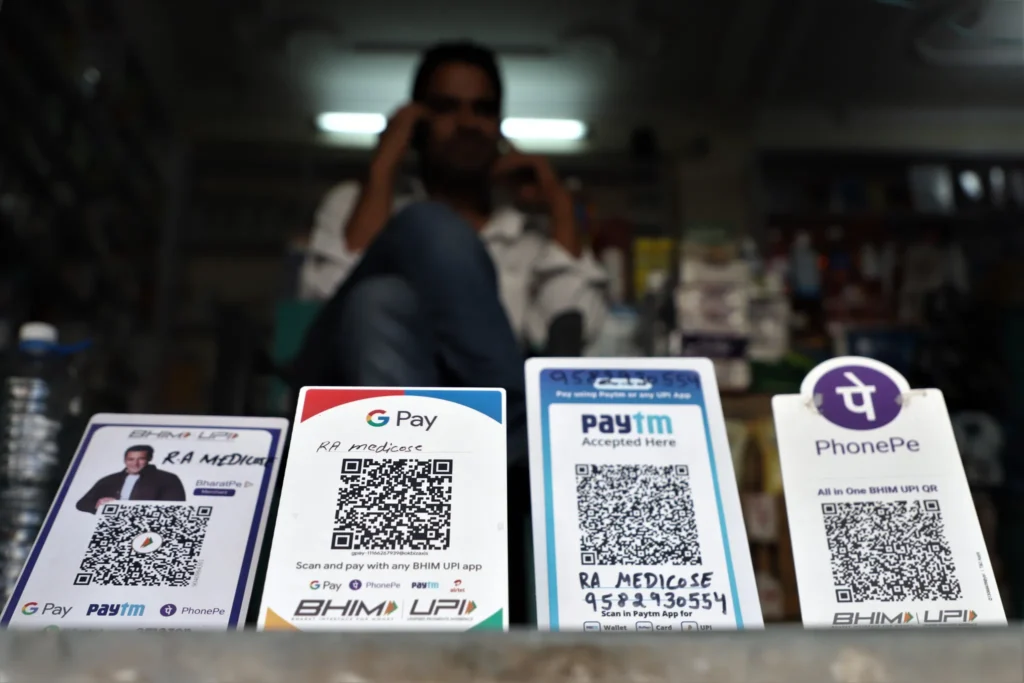
The primary issue is the intense market concentration at the top. According to NPCI data for March 2026, PhonePe and Google Pay together control an overwhelming ~80% of all UPI transactions . This effectively creates a duopoly, leaving the remaining ~20% for all other players—including Amazon Pay, WhatsApp (Meta), Paytm, CRED, and Flipkart’s Super.money—to fight over.
This imbalance has not gone unnoticed by regulators. The NPCI had proposed a rule capping any single UPI app’s market share at 30% to prevent such monopolies. However, this cap has been deferred multiple times, now extended to December 31, 2026 . For smaller players, this delay effectively cements the leaders’ advantage, making it extremely difficult for them to scale their user base.
🗓️ The Showdown: A Thursday Meeting with NPCI
To address these structural issues, executives from a consortium of smaller UPI players, including Amazon Pay, WhatsApp, CRED, and MobiKwik, are scheduled to meet with the National Payments Corporation of India (NPCI) on Thursday .
Their goal is to formally seek regulatory intervention to create a more level playing field. The coalition is expected to put forward a series of specific demands, including :
- Limiting User Acquisition Tactics: Targeting practices like using phone contact lists to aggressively drive app downloads.
- Fair Access to Features: Ensuring equal opportunity for all players to use key features like automated payments (AutoPay) and mandates.
- Preferential Incentives: Requesting regulatory support and incentives to help emerging players compete more effectively against the incumbents.
🛡️ The Incumbents: PhonePe’s Powerful Defense
A major hurdle for the challengers is the sheer, formidable scale of the market leaders. PhonePe, in particular, has solidified its position as an unshakeable giant. It recently announced it has surpassed 700 million registered users . Its reach extends even further, as its merchant network covers more than 98% of India’s postal codes .
This infrastructure makes it incredibly difficult for competitors to match PhonePe’s convenience and ubiquity. With this kind of scale, it’s getting tougher for competitors to convince users to switch, as PhonePe is accepted almost everywhere.
🧱 Meta’s Broader Strategy: Building a Super-App Ecosystem
Beyond the lobbying efforts, Meta is actively expanding WhatsApp’s utility within India. The company recently launched a prepaid mobile recharge feature directly within the app, powered by PayU .
This is a clear strategic move to transform WhatsApp from a pure messaging service into an “everything app.” By integrating services like mobile recharges, bill payments, and metro ticketing, Meta aims to increase user engagement and make WhatsApp a daily destination for utility, thereby increasing the stickiness of its own payments ecosystem.
🔮 A Crucial Juncture for India’s Fintech Future
The outcome of this high-stakes meeting with NPCI could be a turning point. Here are the key scenarios to watch:
- If regulators side with challengers: They could enforce the 30% market share cap or introduce new rules to reduce the dominance of PhonePe and Google Pay. This would potentially open a window for Amazon and Meta to aggressively acquire new users and capture a larger slice of the UPI market.
- If the status quo remains: The duopoly of PhonePe and Google Pay would likely continue to tighten their grip, forcing competitors to innovate outside of UPI, perhaps by integrating deeper with other financial services or building niche products for specific user segments.
This tussle highlights a crucial phase for India’s fintech ecosystem, balancing innovation with fair competition.