2026: The Year Indian Startups Come of Age – Over 20 Companies Gear Up for Mega IPOs
For years, the ultimate milestone for a startup was reaching unicorn status—a billion-dollar valuation in the private markets. It was a badge of honor, a signal that a company had arrived.
But 2026 is shaping up to be the year when Indian startups aim for an even bigger prize: the public markets.
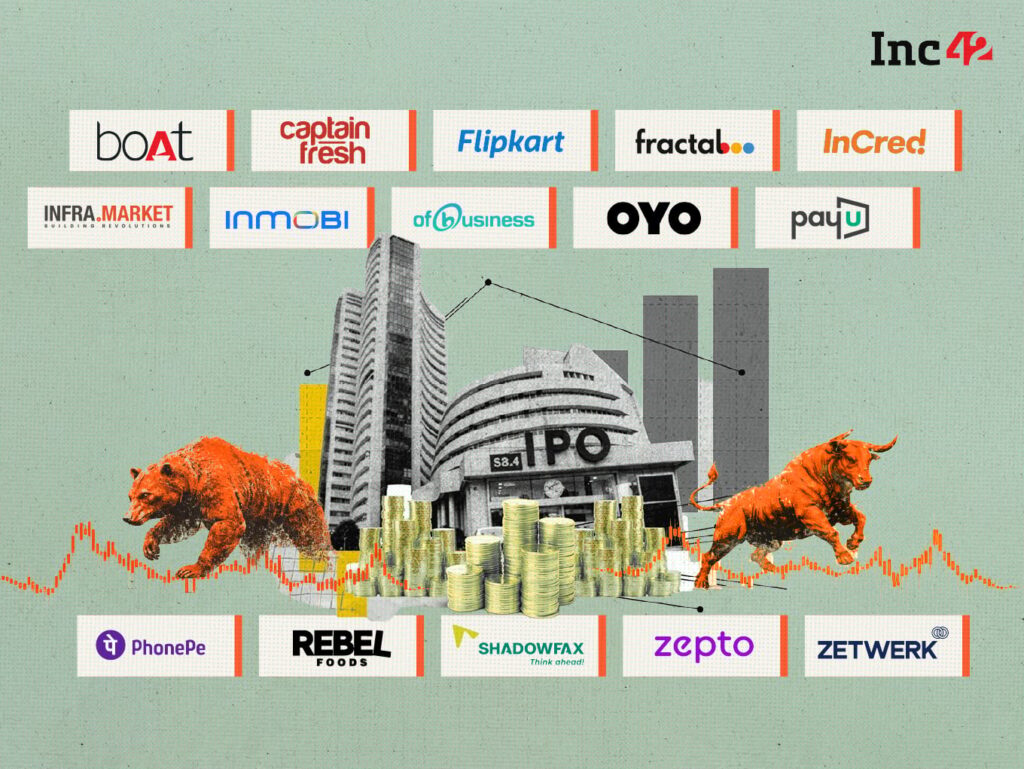
Reports indicate that over 20 companies have already filed draft documents with the Securities and Exchange Board of India (SEBI) , with many more preparing to follow suit. High-profile startups across e-commerce, quick commerce, mobility, and SaaS are expected to hit the stock market, collectively raising tens of thousands of crores of rupees.
This anticipated IPO pipeline is not just a financial event. It is a coming-of-age moment for the Indian startup ecosystem—a transition from private ambition to public accountability, from venture capital backing to retail investor ownership.
The Scale: What 20+ IPOs Look Like
An IPO wave of this magnitude has never been seen before in India. To put it in perspective:
- In 2021, the last big year for tech IPOs, we saw listings from companies like Zomato, Nykaa, and Paytm.
- In 2026, we could see more than double that number of tech startups going public.
The total capital raised could easily exceed ₹50,000 crore (approximately $6 billion) , making it one of the largest years for tech listings in Indian history.
The Key Players: Who’s Going Public?
While the full list of companies preparing for IPOs remains under wraps, industry insiders point to several high-profile names across key sectors.
1. E-commerce: The Giants Prepare
- Flipkart: The poster child of Indian e-commerce has been preparing for an IPO for years. With Walmart as its majority owner and a valuation around $37-38 billion, a Flipkart listing would be the crown jewel of the 2026 IPO wave. The company has been focusing on profitability, streamlining operations, and strengthening its position against Amazon and Reliance.
- Other players: Several direct-to-consumer (D2C) brands and niche e-commerce platforms are also expected to test the public markets.
2. Quick Commerce: The Speed Stars
Quick commerce has exploded in India, with players like Zepto, Blinkit, and Swiggy Instamart transforming how urban India shops. While some of these companies are part of larger groups (Blinkit is owned by Zomato), others are independent and may seek public listings.
- Zepto: The youngest unicorn in the quick commerce space has been on a rocket ship growth trajectory. An IPO would be a landmark moment for the category.
3. Mobility: The Ride-Hailers and Beyond
- Ola Electric: The EV arm of Ola has been making waves with its scooters and ambitious plans for cars and battery technology. A public listing would provide capital for its aggressive expansion.
- Other mobility players: Ride-hailing platforms, EV infrastructure companies, and logistics providers are also in the IPO pipeline.
4. SaaS: The Global Contenders
India’s SaaS story is one of the most exciting in the global tech landscape. Companies like Freshworks have already shown the way with successful US listings. In 2026, several Indian SaaS companies could follow.
- Postman: The API development platform is a global leader in its space, with customers including major corporations worldwide. A listing would be a massive validation of Indian SaaS.
- Other SaaS players: Companies like Chargebee, Hasura, and Zenoti are all potential IPO candidates, though some may choose to list in the US rather than India.
5. Fintech: The Financial Disruptors
- KreditBee: The digital lending platform has been on a growth tear and is reportedly pursuing a $120 million pre-IPO round. A listing would be a major event for the fintech sector.
- PhonePe: The Walmart-backed fintech giant has already filed for an IPO, though the timeline remains fluid. A PhonePe listing would be one of the largest in Indian history.
- Other fintechs: Payments players, lending platforms, and insurtech companies are all in the pipeline.
Why Now? The Factors Driving the IPO Wave
Several factors have converged to make 2026 the year of the Indian startup IPO.
1. Maturing Business Models
The startups coming to market in 2026 are not the “growth at any cost” companies of 2021. They have spent the last few years focusing on profitability, unit economics, and sustainable growth. They have real revenues, real customers, and, in many cases, real profits.
2. Investor Demand for Liquidity
Venture capital funds have been holding their investments for longer than usual. With the funding winter of 2024-2025 limiting exit opportunities, investors are eager for IPOs that can provide liquidity and return capital to their limited partners.
3. Strong Public Market Appetite
Indian public markets have been on a tear. Retail and institutional investors are hungry for new-age tech stocks that offer exposure to India’s digital growth story. The success of previous tech IPOs (despite some post-listing volatility) has demonstrated that there is appetite for these companies.
4. Regulatory Clarity
SEBI has worked to streamline the IPO process and create a conducive environment for tech listings. While challenges remain, the regulatory path is clearer than it has ever been.
5. Global Confidence
International investors are increasingly confident in India’s economic story. A wave of successful IPOs would reinforce this confidence and attract even more foreign capital to the ecosystem.
What This Means for Investors
The IPO wave presents both opportunities and risks for different classes of investors.
For Venture Capital and Private Equity Investors
IPOs provide a much-needed exit route. After years of holding investments, VCs can finally return capital to their LPs, which can then be reinvested in the next generation of startups.
For Retail Investors
For the first time, ordinary Indians will have the opportunity to own a piece of the country’s most exciting tech companies. However, retail investors need to be cautious. Not every IPO will be a winner. Some companies may struggle post-listing, and stock prices can be volatile.
For Institutional Investors
Mutual funds, insurance companies, and pension funds will have the opportunity to add high-growth tech stocks to their portfolios. This could diversify their holdings and provide exposure to India’s digital transformation.
The Risks: Not Everything Will Go to Plan
While the optimism is warranted, it’s important to acknowledge the risks.
- Valuation Expectations: Private market valuations are often higher than what public markets will bear. Some companies may need to accept lower valuations than they hoped for.
- Post-Listing Performance: The track record of Indian tech IPOs is mixed. Some have performed well; others have struggled. Companies that go public in 2026 will need to continue executing to reward shareholders.
- Market Conditions: Global economic uncertainty, geopolitical tensions, and interest rate decisions could impact market sentiment. A downturn could delay or derail IPO plans.
- Regulatory Scrutiny: Public companies face greater regulatory oversight and disclosure requirements. Some founders may find the transition challenging.
The Broader Impact on the Ecosystem
A successful IPO wave in 2026 would have profound effects on the Indian startup ecosystem.
1. A Virtuous Cycle
Successful IPOs create wealth for founders, employees, and investors. That wealth can be reinvested in new startups, creating a virtuous cycle of innovation and entrepreneurship.
2. Talent Attraction
High-profile IPOs and the resulting wealth creation make startups more attractive as a career choice. Top talent will be more willing to join early-stage companies, knowing that there is a credible path to liquidity.
3. Global Credibility
A wave of successful listings would cement India’s reputation as a serious startup hub. Global investors, partners, and customers will take Indian startups more seriously.
4. More Mature Governance
Public companies operate under stricter governance norms. As more startups go public, governance standards across the ecosystem will improve.
The Road Ahead
The next 12 months will be critical. For the companies preparing to go public, the focus will be on:
- Strengthening financials: Cleaning up balance sheets, improving margins, and demonstrating a clear path to profitability.
- Building the narrative: Crafting a compelling story for public market investors about growth potential and competitive positioning.
- Preparing for scrutiny: Getting ready for the intense scrutiny that comes with being a public company.
For the ecosystem as a whole, 2026 represents a test. Can Indian startups successfully transition from private darlings to public companies? Can they deliver the growth and returns that investors expect?
If they can, 2026 will be remembered as the year Indian startups truly came of age.
The Final Word
The IPO wave of 2026 is more than just a financial event. It is a milestone in the journey of Indian entrepreneurship. It represents the culmination of years of hard work, risk-taking, and innovation.
For the founders who will ring the bell, it is a moment of validation. For the employees who will see their ESOPs turn into real wealth, it is life-changing. For the investors who backed these companies early, it is a return on faith.
And for India, it is proof that the startup ecosystem is no longer just a promise—it is a reality, ready to take its place on the global stage.