
Uttar Pradesh’s “Triple-S” Gambit: A Bold Blueprint to Become India’s Next Startup Powerhouse
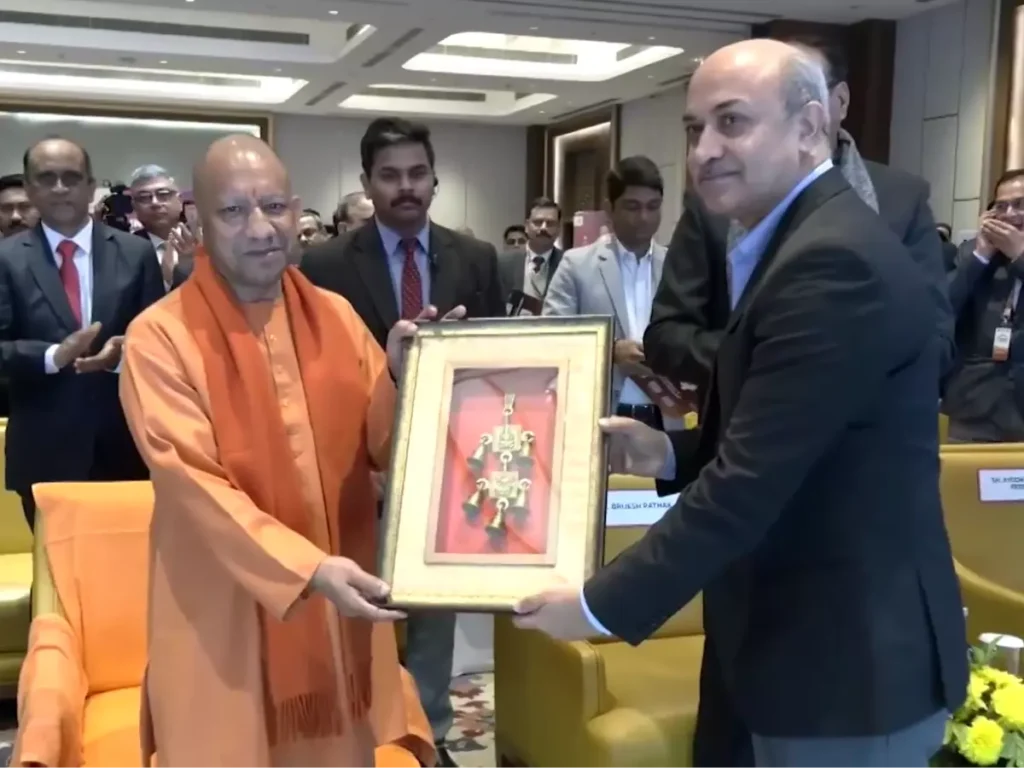
In a strategic move poised to reshape India’s economic geography, the Uttar Pradesh government has unveiled its “Triple-S Guarantee”—a bold, investor-centric framework built on Safety, Stability, and Speed. This isn’t merely a new industrial policy; it’s a declaration of intent and a competitive playbook designed to systematically dismantle the traditional barriers to large-scale investment and position UP as the premier destination for the next wave of startups, particularly in deep-tech and advanced manufacturing.
The “Triple-S” mantra directly targets the core anxieties of founders and investors: regulatory unpredictability, bureaucratic delays, and physical or contractual insecurity. By packaging these guarantees, UP is making a compelling case to look beyond the saturated and expensive hubs of Bengaluru, Hyderabad, and the NCR, and instead build the future in India’s largest state.
Deconstructing the “Triple-S” Guarantee: More Than a Slogan
- Safety: This extends beyond physical security to investor protection and contractual sanctity. It implies a robust grievance redressal mechanism, clear and fair dispute resolution, and a commitment to protecting intellectual property and investments from arbitrary action. For a deep-tech startup with valuable IP or a manufacturer making a 10-year capital commitment, this is paramount.
- Stability: This is a promise of policy consistency and long-term commitment. The fear of changing incentive structures or regulatory goalposts mid-journey is a major deterrent. UP’s guarantee suggests a locked-in, predictable policy environment for the long haul, allowing businesses to plan with confidence.
- Speed: The most tangible promise. “Lightning-fast approvals” targeting days instead of months is a direct attack on India’s infamous “red tape tax.” This requires a fundamental re-engineering of governance processes, likely through empowered single-window systems, digitization, and clear accountability for timelines.
The Strategic Sector Focus: Building Complementary Clusters
UP isn’t trying to be everything to everyone. Its targeted sectors reveal a smart, complementary strategy:
- Technology & Deep-Tech: Leveraging the academic talent pool from institutions like IIT Kanpur and IIIT Lucknow to build AI, semiconductor design, and cybersecurity hubs, potentially creating a lower-cost, high-quality alternative to Bengaluru.
- Manufacturing & Electronics: Capitalizing on its central geography, massive workforce, and existing corridors (like the Delhi-Mumbai Industrial Corridor) to attract electronics assembly, component manufacturing, and EV supply chain companies, competing directly with states like Tamil Nadu and Gujarat.
- Pharma & MedTech: Building on existing clusters to create next-gen biotech parks and pharmaceutical innovation centers.
- Agri-Processing & Food-Tech: This is UP’s native superpower. Adding a tech layer to its agricultural dominance can create a world-leading agri-tech ecosystem, from farm-gate logistics to bio-engineered foods and sustainable packaging.
The Bigger Picture: Rewiring India’s Startup Map
If executed effectively, the Triple-S framework could trigger a significant geographic diversification of India’s innovation economy. It offers:
- Cost & Scale Advantages: Significantly lower real estate and operational costs compared to Tier-1 hubs, coupled with access to one of the world’s largest pools of human capital.
- The “First-Mover” Benefit in a Mega-State: Early startups and investors who build successful anchor ventures in UP will define the ecosystem, enjoying outsized influence and support.
- A Bridge Between Bharat and Tech: UP’s vast rural and semi-urban landscape provides the perfect “living lab” for startups building solutions for the next half-billion Indians—in fintech, agri-tech, ed-tech, and healthcare.
The Execution Challenge: From Promise to Proof
The vision is powerful, but its success hinges entirely on ground-level execution. The challenges are historic:
- Overhauling Bureaucratic Culture: Transforming a traditionally hierarchical administrative system into a founder-friendly, service-oriented machinery.
- Building Hard Infrastructure at Pace: Ensuring consistent power, water, and last-mile connectivity to new industrial and tech parks.
- Creating a Talent Magnet: While raw talent exists, attracting and retaining top-tier product managers, AI researchers, and seasoned startup operators will require creating a compelling quality of life and professional ecosystem.
Conclusion: A Defining Bid for the Future
The Uttar Pradesh “Triple-S Guarantee” is one of the most ambitious state-level economic initiatives in recent memory. It recognizes that in today’s competitive landscape, capital and talent flow to where they are respected, protected, and enabled to move fast.
This is more than a policy; it’s a test case for cooperative federalism in the innovation age. If UP can successfully deliver on this promise, it won’t just attract factories; it will catalyze the rise of a new “Lucknow-Noida-Kanpur” innovation corridor, fundamentally altering India’s startup narrative. The gauntlet has been thrown. The next great Indian startup story might not begin in a Bangalore café, but on the banks of the Gomti or the Ganges.