IPO Momentum: India’s Tech Ecosystem Matures as the Public Market Wave Builds for 2026
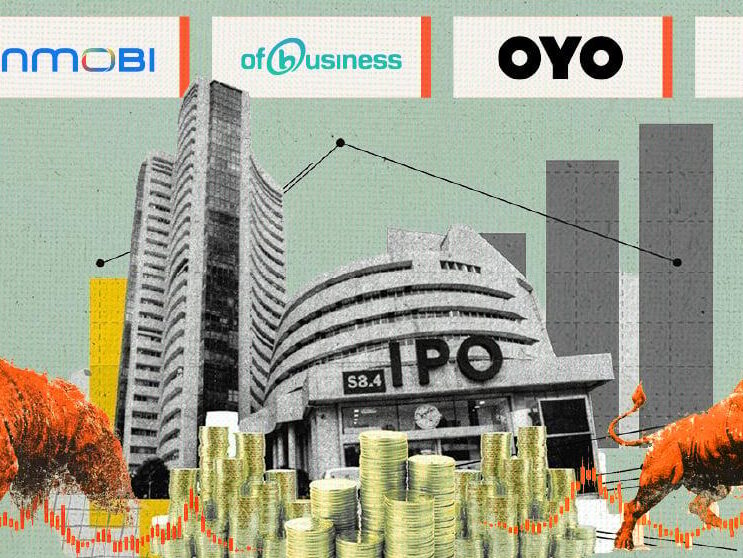
If 2025 was the year India’s startup ecosystem proved its mettle on the global stage, 2026 is poised to be the year it solidifies its standing as a mature, financially robust powerhouse. Last year’s landmark achievement—a global benchmark of 20 VC-backed startups going public, making India the world’s most active IPO market by volume—was not a flash in the pan. Early signals for 2026 point to a sustained, even deepening, wave of public listings, marking a profound shift from an era of hype to one of sustainable, profitable growth.
This isn’t just optimism; it’s a trend built on a powerful convergence of structural strengths. Let’s examine the key drivers fueling this momentum:
1. The Rise of the Profitable Unicorn
The most significant change is at the company level. Gone are the days of valuing growth at all costs. Today, India boasts a growing pool of over 28 profitable unicorns (as of 2025). These are not just large private companies; they are scaled, unit-economics-positive businesses with clear paths to public market success. Investors, both institutional and retail, are now presented with a pipeline of companies that have already demonstrated fiscal discipline alongside rapid growth.
2. Unprecedented Domestic Capital Depth
The story of India’s IPO surge is fundamentally a story of domestic confidence. Strong appetite from domestic institutional investors (DIIs), coupled with record retail participation, has created a deep, resilient pool of capital. This homegrown support system provides a stable foundation, reducing over-reliance on volatile foreign flows and allowing companies to list with the confidence that their story is understood and valued locally.
3. A Supportive and Streamlined Regulatory Engine
Regulatory bodies, particularly SEBI, have played a crucial role in building this runway. Improved listing norms, faster approval timelines (with some DRHPs being cleared in record time), and a pragmatic approach to governance have made the journey to IPO more predictable and efficient. This regulatory tailwind reduces uncertainty for founders and VCs, making the public exit a more strategic and planned milestone than a distant dream.
4. A New VC-Founder Mindset: Sustainability Over Spectacle
The market has disciplined both capital givers and takers. Venture capitalists and founders alike now prioritize sustainable business models. The focus has sharpened on clear profitability metrics, healthy margins, and long-term moats. This alignment with public market expectations means companies hitting the IPO stage are genuinely “public-ready,” leading to healthier after-market performance and building trust for the next wave of listings.
Sectors Leading the Charge
While the activity is broad-based, specific sectors are at the forefront:
- Fintech & SaaS: Continuing as the bedrock, with mature players in payments, lending, and enterprise software demonstrating global-scale profitability.
- Consumer Tech: Digitally-native brands and platforms with massive user bases are now showcasing robust monetization.
- Deep-Tech & Specialty Plays: From space tech to advanced manufacturing, niche leaders are reaching a scale where public markets offer the right capital and profile for their next phase.
The Ripple Effect: Wealth, Exits, and Global Stature
The impact of this sustained IPO wave is transformative. It is:
- Creating Real Wealth: Generating tangible returns for employees (through ESOPs), early investors, and retail participants.
- Delivering Crucial VC Exits: Providing the liquidity that fuels the virtuous cycle, allowing VCs to return capital to LPs and reinvest in the next generation of Indian startups.
- Reinforcing Global Credibility: Proving to the world that India is not just a vast market but a high-conviction, maturing tech ecosystem capable of producing publicly-successful, world-class companies.
Conclusion: 2026 – The Year of Validation
The upcoming listings in Q1 2026 and beyond are more than just financial events; they are validation events. They validate the resilience of the Indian entrepreneurial spirit, the sophistication of its capital markets, and the maturity of its business models. As high-profile names file their DRHPs, 2026 is shaping up not as a sequel to 2025’s success, but as the next logical chapter in India’s rise as a definitive global tech hub. The surge was no fluke—it was a foundation being laid.