Beyond the Temple: How Andhra Pradesh Is Building a Deep-Tech Citadel in Tirupati
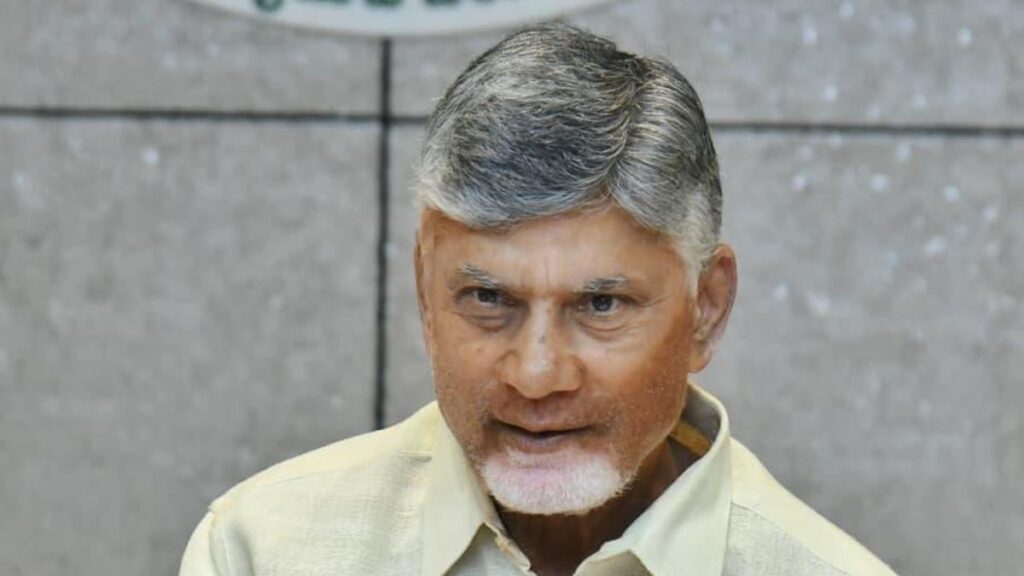
In a move that recalibrates the state’s economic compass for the coming decades, Chief Minister N. Chandrababu Naidu has greenlit the establishment of AP FIRST—the Andhra Pradesh Futuristic Innovation and Research in Science and Technology. More than just a new institution, this initiative is a strategic masterstroke designed to transform Tirupati, a city globally synonymous with spiritual pilgrimage, into a national epicenter for scientific pilgrimage and deep-tech innovation. By architecting a symbiotic ecosystem around the formidable twin pillars of IIT Tirupati and IISER Tirupati, AP FIRST represents Andhra Pradesh’s most ambitious bet yet on a future powered by knowledge, research, and sovereign technological capability.
The AP FIRST Blueprint: A Convergence Model for Impact
The genius of AP FIRST lies in its foundational premise: convergence over creation. Instead of building a standalone, greenfield institute from scratch—a costly and time-intensive process—the state is ingeniously weaving a superstructure that connects and amplifies two existing world-class institutions. This model offers immediate advantages:
- Instant Critical Mass & Credibility: IIT Tirupati brings world-class engineering rigor and industry connections, while IISER Tirupati contributes pure and applied scientific research excellence. Together, they form a ready-made, high-caliber intellectual community from Day One.
- Interdisciplinary by Design: The mandated focus on futuristic sectors like Quantum Technology, Semiconductors, and Green Energy necessitates collaboration between computer scientists, physicists, material engineers, and biologists. The physical and operational adjacency of IIT and IISER under the AP FIRST umbrella is engineered to break down academic silos and spark unconventional innovation.
- A Talent Pipeline with Purpose: AP FIRST aims to systematically align “education with future industry needs.” This signals a move toward mission-oriented curricula, specialized master’s and PhD programs, and industry fellowships designed to produce graduates who are not just qualified, but are pioneers in fields critical to national security and economic leadership.
Sectoral Focus: Building Strategic Sovereignty
The chosen focus areas are not a random list but a deliberate portfolio targeting strategic sovereignty and high-growth global markets:
- Aerospace & Defence, Cybersecurity: These are clear national security imperatives, aiming to reduce import dependence and build homegrown R&D and manufacturing capabilities.
- Biotechnology & Healthcare: Leveraging India’s biological diversity and demographic need to create affordable, advanced medical solutions.
- Green Energy & Sustainable Tech: Addressing both climate commitments and the opportunity to lead in the global energy transition.
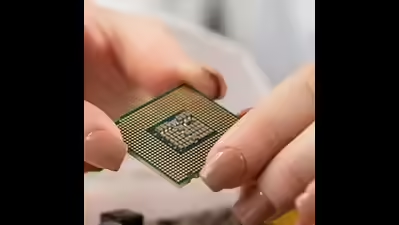
- AI, Quantum, Semiconductors, Space Tech: The fundamental “deep-tech” building blocks of the 21st-century economy, where early, concentrated investment can yield disproportionate long-term advantages.
This portfolio positions Andhra Pradesh not as a generalist, but as a specialist in the hardest, most valuable problems of the future.
The Startup & Industry Nexus: From Lab to Market
A premier research hub’s success is measured not in publications alone, but in translation. AP FIRST’s mandate to foster collaborations with startups and leading companies is critical. We can expect:
- Shared R&D Facilities: State-funded, cutting-edge labs (for semiconductor fabrication, quantum computing, aerospace testing) accessible to researchers, students, and approved startups on a shared-cost model.
- Corporate Partnership Programs: Structured alliances with global and Indian tech giants for sponsored research, talent placement, and co-development of intellectual property.
- Venture-Building Incubators: On-campus incubators and accelerators specifically for deep-tech, providing patient capital, regulatory navigation, and access to the institute’s faculty and facilities for high-potential spin-offs.
The Tirupati Transformation: A New Kind of Destination
This initiative has the potential to fundamentally alter Tirupati’s identity. It envisions a city where the quest for spiritual solace exists alongside the quest for scientific breakthroughs. This dual identity can create a unique, holistic ecosystem that attracts not just students, but also entrepreneurs, investors, and global thinkers seeking an environment of profound purpose—both metaphysical and material.
Challenges and the Road Ahead
The vision is compelling, but execution is key. Challenges include ensuring long-term, non-partisan funding stability, attracting and retaining star faculty in hyper-competitive global fields, and forging industry partnerships that are truly collaborative rather than transactional. The state must also invest in complementary urban infrastructure—housing, international connectivity, and quality of life—to make Tirupati a magnet for global talent.
Conclusion: A Foundation for the Next Half-Century
AP FIRST is more than a policy; it is a foundational investment in Andhra Pradesh’s next fifty years. By betting on deep-tech in Tirupati, Chandrababu Naidu is signaling a return to a legacy of long-term, infrastructure-focused state building, but this time for the intangible economy of ideas and innovation.
For India, AP FIRST represents a powerful model of federal innovation policy—where state governments act as strategic investors, leveraging unique regional assets to build national strength. If successful, it will not only position Andhra Pradesh as a key player in India’s tech landscape but also contribute vitally to the nation’s ambitions of self-reliance and global leadership in the technologies of tomorrow. The pilgrimage to the future, it seems, will also run through Tirupati.