Moonlight Hospitality: How a 22-Year-Old’s Vision Could Launch the First Lunar Hotel
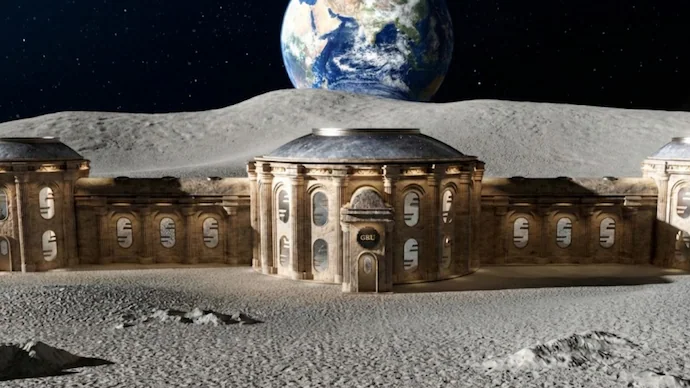
In the annals of entrepreneurial audacity, a new chapter is being drafted—not in Silicon Valley, but aimed squarely at the Sea of Tranquility. GRU Space (Galactic Resource Utilization Space), a startup so young its founder, 22-year-old Skyler Chan, launched it just last year, has announced a vision that redefines the phrase “thinking big”: building the world’s first permanent hotel on the Moon. This isn’t science fiction fan art; it’s a venture with a tangible roadmap, heavyweight backing, and a business model that starts with a $250,000 deposit. It represents the boldest frontier yet in the fusion of private capital, deep-tech innovation, and humanity’s timeless desire to explore.
The GRU Space Blueprint: From Lunar Dust to Luxury Suites
At the heart of GRU Space’s staggering ambition is a pragmatic, phased approach rooted in a critical technological premise: in-situ resource utilization (ISRU). Simply put, they plan to build the hotel not with materials ferried from Earth, but by transforming the Moon’s own soil—the dusty, abrasive regolith—into durable construction materials.
- Phase 1: The Proof (2029): A demonstration mission to robotically process lunar regolith into solid bricks and test modular, self-deploying habitat structures. This is the make-or-break technological hurdle.
- Phase 2: The Pioneer Inn (2032): Deployment of an initial, semi-permanent inflatable habitat, capable of hosting up to four guests for short stays. This module would rely more on Earth-made materials but prove operational concepts.
- Phase 3: The Permanence (2035+): Construction of larger, more permanent structures using polymerized lunar materials, potentially sited within lunar lava tubes or caves for natural radiation and temperature shielding.
The Backing: Why This Isn’t Just a Dream
The sheer scale of this undertaking would be laughable if not for the formidable coalition assembling behind GRU Space. This is what separates it from a conceptual exercise:
- Investor Pedigree: Backing from investors linked to SpaceX and Anduril provides more than capital; it offers a direct line to the cutting edge of launch technology and aerospace-grade, rapid engineering culture.
- Accelerator Credibility: Selection into Y Combinator’s Winter 2026 cohort places it within the world’s most prestigious startup bootcamp, forcing rigorous business model validation alongside its technical plans.
- Technical Ecosystem: Inclusion in Nvidia’s Inception program signals that advanced AI and simulation—critical for autonomous robotics and mission planning—are core to its development.
This trifecta suggests that seasoned space and tech minds see a credible, albeit high-risk, pathway in Chan’s vision.
The Business of a Billion-Dollar View
GRU Space is already open for business. Reservations are secured with deposits from $250,000 to $1 million, with final all-inclusive nightly rates speculated to exceed $10 million (though some per-night estimates start around $410,000). Their market is unambiguous: the ultra-wealthy adventurer, the individual for whom a trip to space is the next, and final, frontier in exclusive experience. This model mirrors the early days of orbital tourism but aims for a more substantive, destination-driven experience.
The Immense Challenges: The Fine Print on the Moon
The ambition is breathtaking, but the obstacles are astronomical. Beyond the fundamental ISRU tech demo, challenges include:
- Launch Dependence: The entire architecture relies on the success and cost-effectiveness of super-heavy lift vehicles like SpaceX’s Starship.
- Human Factors: Mitigating the severe health risks of prolonged lunar exposure—radiation, microgravity effects, and psychological isolation—requires life-support systems of unprecedented reliability.
- The Business of Survival: Beyond the hotel, creating a sustainable economic loop for maintenance, supply, and emergency support on the lunar surface is a venture in itself.
The Ripple Effect: More Than a Getaway
Whether GRU Space’s specific timeline holds is almost secondary to the catalytic effect such a venture has. It accelerates investment and R&D in ISRU and autonomous construction, technologies vital for any sustained lunar presence, scientific or commercial. It pushes regulatory bodies to establish frameworks for off-world commerce and habitation. It captures the public imagination, inspiring a new generation of engineers and entrepreneurs.
Conclusion: The Ultimate Disruption
GRU Space’s lunar hotel project is the ultimate expression of a new era: the privatization of the final frontier. It asks a profound question: If we can envision a business model for it, does that make the impossible merely a matter of engineering and execution?
For the startup ecosystems in India and globally watching this unfold, GRU Space is a masterclass in visionary entrepreneurship. It demonstrates that today’s deep-tech startups are not just optimizing logistics or fintech—they are drafting the blueprints for humanity’s multi-planet future. While a lunar vacation may remain an ultra-exclusive fantasy for now, the relentless pursuit of it will undoubtedly build the technologies that bring our species permanently into the cosmos. The journey to build the first room with a Moon view has already begun.