Uncategorized

India’s Startup Ecosystem 2025: A Year of Resilient Evolution and Strategic Maturation

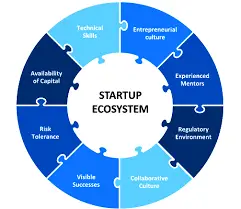
As the final chapter of 2025 closes, India’s startup narrative has decisively shifted from a tale of explosive, hype-driven growth to one of resilient evolution and strategic maturation. The ecosystem, now a formidable force of over 2 lakh (200,000) recognized startups creating more than 21 lakh (2.1 million) jobs, navigated a year of global economic uncertainty not with a retreat, but with a profound realignment. The defining story of the year was not the total amount of capital raised, but how it was deployed—with discipline, purpose, and a clear-eyed focus on the future. This year-end recap crystallizes the five pillars that have repositioned India for sustainable, global leadership in the coming decade.

Read More

JARSH Safety: The AI Helmet Protecting India’s Workforce and Redefining Industrial Deep-Tech

In the high-stakes environments of steel mills, chemical plants, and construction sites, a split-second warning can mean the difference between life and death. Bengaluru-based deep-tech startup JARSH Safety is engineering that critical advantage, transforming the humble hard hat into an intelligent, AI-powered guardian for industrial workers. Founded in 2021 by Rahul and Shikhar Jetly, JARSH is tackling one of India’s most pressing—and often overlooked—challenges: workplace safety. By fusing embedded sensors, edge computing, and machine learning into a smart helmet, the company is not just selling a product; it is pioneering a data-driven safety culture that prevents accidents before they happen, proving that Indian innovation can save lives on the factory floor.

Read More

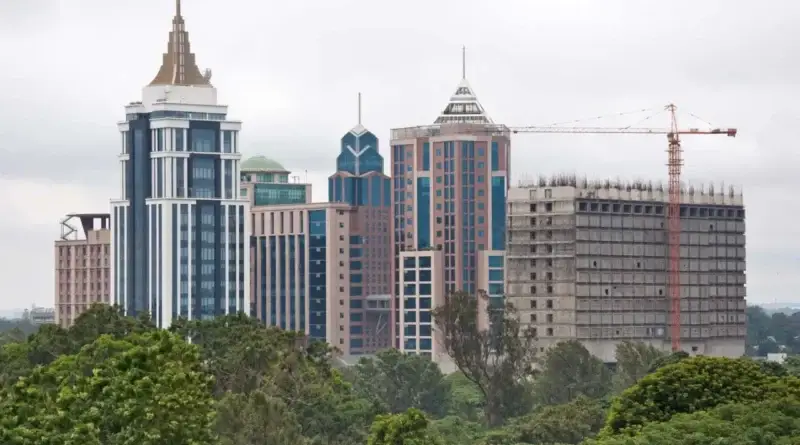
The World’s New Startup Capital? Why Global Founders Are Flocking to Bengaluru

For decades, the global startup narrative was centered on a single strip of land in California: Silicon Valley. That story is being powerfully rewritten, with a new chapter emerging over 8,500 miles away. Bengaluru is rapidly solidifying its position as the world’s new startup magnet, attracting an unprecedented wave of international founders and companies who are choosing the city not as an outsourcing post, but as their primary hub for innovation, research, and Asia-Pacific expansion. This influx is a resounding endorsement of India’s maturing ecosystem and cements Bengaluru’s status as a truly global epicenter for entrepreneurship.

Read More

Solve for Tomorrow: How India’s Gen Z is Using AI to Build a Better Bharat

At a time when discussions about artificial intelligence often center on global tech giants and billion-dollar valuations, a quieter, more hopeful revolution is being led by India’s youth. The recent Samsung Solve for Tomorrow 2025 competition has underscored this shift, awarding ₹1 crore grants each to three student teams for designing AI-driven prototypes that tackle some of the nation’s most persistent challenges. These victories are not just about prize money; they signal a generational shift toward applied, empathetic technology and provide a powerful blueprint for how India’s deep-tech future will be built—from the ground up, by young minds who understand local problems firsthand.

Read More

The AI-First Pivot: Why 2026 is the Year India’s Startups Go All-In on Artificial Intelligence

As 2025 closes with a record of resilience and strategic funding, the collective gaze of India’s startup ecosystem is fixed unwaveringly on the horizon of 2026. A powerful consensus has emerged among founders and investors: 2026 will be the year of AI dominance, marking a definitive shift from viewing artificial intelligence as an experimental feature to embracing it as the foundational core of business strategy, operations, and product innovation. This isn’t a prediction of a new hype cycle; it’s the recognition of a strategic inflection point, backed by ready capital, maturing talent, and a national mission to build sovereign technological capability.

Read More

India’s Startup Resilience: How ₹94,000 Crore in 2025 Secured Its Place as a Global Innovation Powerhouse

In a year marked by global economic headwinds and cautious capital, India’s tech startup ecosystem delivered a masterclass in resilience and strategic maturity. By attracting over ₹94,000 crore (approximately $10.5 billion) in funding across thousands of rounds, India firmly cemented its position as the world’s third-largest startup funding destination, trailing only the United States and the United Kingdom. While the total figure represented a 17% year-on-year decline from 2024’s peak, this consolidation was not a sign of weakness but of strength—a shift from hype-fueled growth to a more discerning, quality-focused model that is building a sustainable foundation for global leadership.

Read More

The Viral Groove: How a Dancing Robot at IIT Bombay Spotlights India’s Swaggering Robotics Ambitions

A single, electrifying video from IIT Bombay’s Techfest 2025 has become a global sensation, perfectly encapsulating a pivotal moment for Indian technology. The clip, viewed millions of times, features a sleek, humanoid robot dancing with uncanny precision to the viral track “FA9LA”, effortlessly matching intricate moves that would challenge many humans. More than just a crowd-pleaser, this viral moment is a powerful symbol of the growing confidence, technical prowess, and cultural relevance of India’s rapidly ascending robotics ecosystem. It shows the world that India’s engineers are not just building industrial tools; they are creating technology with personality, artistry, and undeniable “swag.”

Read More

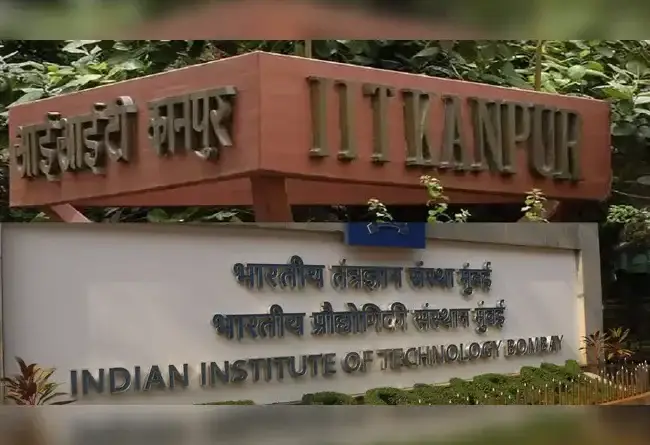
The ₹100 Crore Bet on the Future: How InMobi, NoBroker, and Yulu Founders are Redefining Tech Education at IIT Kanpur

In a landmark move that bridges the worlds of industry success and academic innovation, the founders of three iconic Indian startups—Naveen Tewari (InMobi), Amit Kumar Agarwal (NoBroker), and Amit Gupta (Yulu)—have jointly pledged ₹100 crore to establish a pioneering School of Technology & Society at IIT Kanpur. Announced on December 30, 2025, this philanthropic endowment is more than a donation; it is a visionary blueprint for the next generation of Indian innovators. The school aims to systematically dismantle the traditional silos between engineering and humanities, creating a new breed of leader equipped to build technology that is not just advanced, but also equitable, sustainable, and deeply impactful for society.

Read More

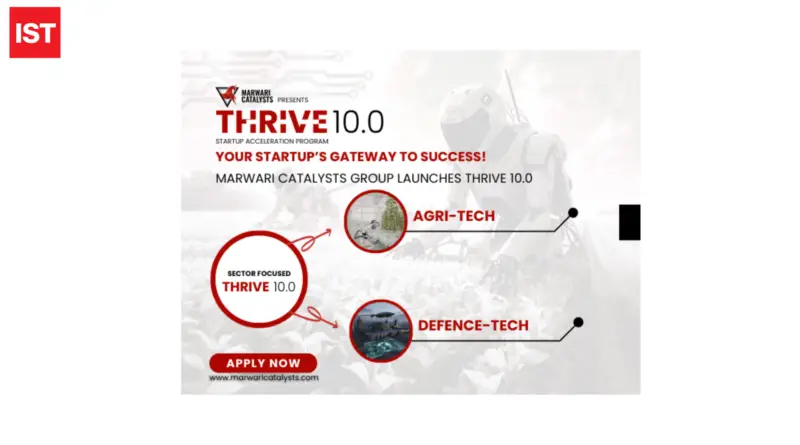
Bridging the Innovation Gap: How Thrive 10.0 Aims to Unlock Tier-II/III India’s Startup Potential

India’s startup revolution is undergoing a vital and powerful geographical shift. While metropolitan hubs like Bengaluru and Mumbai have long dominated the narrative, the immense talent and unique insights found in Tier-II and Tier-III cities are now taking center stage. Leading this charge is the Marwari Catalysts Group, a Jodhpur-based angel investor network and accelerator that has launched its flagship program, Thrive 10.0, with a sharp focus on empowering early-stage startups in defence-tech and agri-tech from smaller cities across India. This initiative is more than just an accelerator; it is a mission to democratize innovation, turning local challenges into scalable, national solutions.

Read More

The Great Cleansing: What 729 DPIIT-Recognized Startup Closures Reveal About India’s Maturing Ecosystem

The year 2025 presented a paradox for India’s startup landscape. While headlines celebrated a resilient $11 billion in funding and a record IPO wave, a quieter, more sobering statistic emerged: approximately 729 DPIIT-recognized startups officially ceased operations. This figure, reflecting a sharper-than-anticipated rise from previous years, is not a sign of systemic collapse but a critical indicator of an ecosystem undergoing a necessary and rigorous maturation. These closures, driven by heightened regulatory scrutiny and intense funding pressure, represent a market “cleansing” that is ultimately paving the way for a stronger, more sustainable generation of Indian startups.

Read More