
Author: shreyanshkhandelwal3961@gmail.com

The Viral Groove: How a Dancing Robot at IIT Bombay Spotlights India’s Swaggering Robotics Ambitions

A single, electrifying video from IIT Bombay’s Techfest 2025 has become a global sensation, perfectly encapsulating a pivotal moment for Indian technology. The clip, viewed millions of times, features a sleek, humanoid robot dancing with uncanny precision to the viral track “FA9LA”, effortlessly matching intricate moves that would challenge many humans. More than just a crowd-pleaser, this viral moment is a powerful symbol of the growing confidence, technical prowess, and cultural relevance of India’s rapidly ascending robotics ecosystem. It shows the world that India’s engineers are not just building industrial tools; they are creating technology with personality, artistry, and undeniable “swag.”

Read More

A ₹300 Crore Bet to Make GIFT City India’s AI Research Powerhouse

In a strategic move to cement its position at the forefront of India’s technological future, the state of Gujarat has announced the establishment of the Indian AI Research Organisation (IAIRO), a flagship national AI research hub to be located within the Gujarat International Finance Tec-City (GIFT City). Backed by an initial ₹300 crore investment from the state government, central agencies, and private partners under a public-private partnership (PPP) model, IAIRO aims to become India’s epicenter for cutting-edge, application-driven artificial intelligence research. This initiative is designed to bridge the critical gap between academic exploration and commercial deployment, positioning India not just as a consumer of global AI, but as a primary creator of sovereign AI capabilities.

Read More

The ₹100 Crore Bet on the Future: How InMobi, NoBroker, and Yulu Founders are Redefining Tech Education at IIT Kanpur

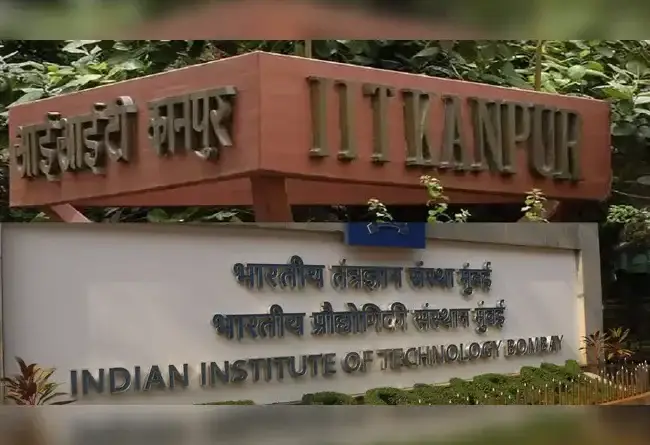
In a landmark move that bridges the worlds of industry success and academic innovation, the founders of three iconic Indian startups—Naveen Tewari (InMobi), Amit Kumar Agarwal (NoBroker), and Amit Gupta (Yulu)—have jointly pledged ₹100 crore to establish a pioneering School of Technology & Society at IIT Kanpur. Announced on December 30, 2025, this philanthropic endowment is more than a donation; it is a visionary blueprint for the next generation of Indian innovators. The school aims to systematically dismantle the traditional silos between engineering and humanities, creating a new breed of leader equipped to build technology that is not just advanced, but also equitable, sustainable, and deeply impactful for society.

Read More

From Follower to Rival: How India’s AI Startups Are Closing the Gap with Silicon Valley

For years, the narrative of global tech innovation placed Silicon Valley at the center, with the rest of the world playing catch-up. In 2025, that narrative is being decisively rewritten. India’s AI startup ecosystem is rapidly narrowing the innovation chasm, not by slavishly copying Valley models, but by forging its own distinct path—one defined by technical depth, cost efficiency, and a relentless focus on solving large-scale, real-world problems. Industry leaders now point to India’s growing prowess, not as an outsourcing hub, but as a primary source of breakthrough AI innovation, positioning the country to lead in applied AI by 2030.

Read More

Bridging the Innovation Gap: How Thrive 10.0 Aims to Unlock Tier-II/III India’s Startup Potential

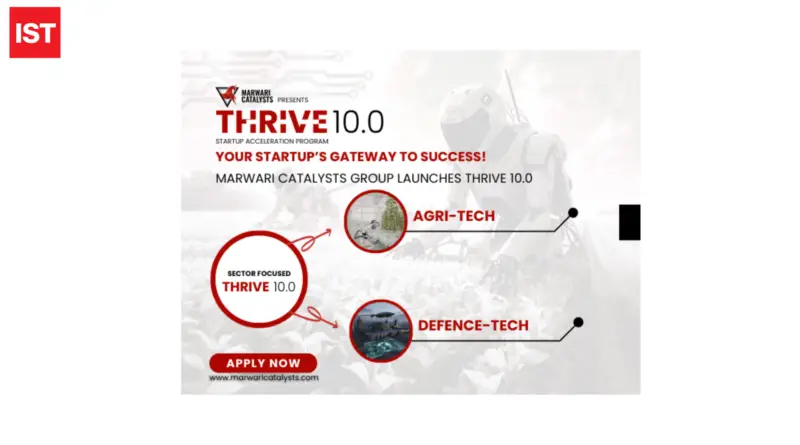
India’s startup revolution is undergoing a vital and powerful geographical shift. While metropolitan hubs like Bengaluru and Mumbai have long dominated the narrative, the immense talent and unique insights found in Tier-II and Tier-III cities are now taking center stage. Leading this charge is the Marwari Catalysts Group, a Jodhpur-based angel investor network and accelerator that has launched its flagship program, Thrive 10.0, with a sharp focus on empowering early-stage startups in defence-tech and agri-tech from smaller cities across India. This initiative is more than just an accelerator; it is a mission to democratize innovation, turning local challenges into scalable, national solutions.

Read More

The Great Cleansing: What 729 DPIIT-Recognized Startup Closures Reveal About India’s Maturing Ecosystem

The year 2025 presented a paradox for India’s startup landscape. While headlines celebrated a resilient $11 billion in funding and a record IPO wave, a quieter, more sobering statistic emerged: approximately 729 DPIIT-recognized startups officially ceased operations. This figure, reflecting a sharper-than-anticipated rise from previous years, is not a sign of systemic collapse but a critical indicator of an ecosystem undergoing a necessary and rigorous maturation. These closures, driven by heightened regulatory scrutiny and intense funding pressure, represent a market “cleansing” that is ultimately paving the way for a stronger, more sustainable generation of Indian startups.

Read More

Resilience Redefined: How Selective Capital Forged a Stronger Indian Startup Ecosystem in 2025

The year 2025 will be remembered not for a record-breaking funding spree, but for a strategic and disciplined consolidation that made India’s startup ecosystem fundamentally more resilient. With nearly $11 billion raised, the narrative shifted decisively from the “funding winter” of prior years to a “funding realignment,” where capital became a powerful tool for curation. Investors, armed with lessons from past excesses, prioritized scalable, profitable models with clear paths to monetization, favoring sustainable growth over unchecked blitzscaling. This selective approach, while leading to fewer overall deals, unlocked historic public market success and set the stage for a new era of quality-driven, global innovation from India.

Read More

From Private Darlings to Public Powerhouses: India’s Landmark IPO Year of 2025

2025 will be remembered as the year Indian startups truly graduated. A blockbuster wave of 42 Initial Public Offerings (IPOs), raising over $19 billion, marked a historic shift where new-age technology companies moved from the private market speculation of venture capital to the rigorous validation of public markets. This IPO frenzy wasn’t just about raising capital; it was a powerful signal of maturity, a massive unlock of liquidity for early investors and employees, and a global declaration that India’s homegrown tech ventures are ready to compete on the world’s financial stage.

Read More