

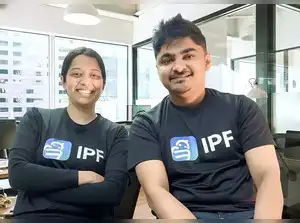
While the search results do not contain a specific article about IPF’s recent ₹3.2 crore seed funding round, they provide excellent context on the investor, the broader business landscape, and the challenges IPF aims to overcome.
Below is a detailed overview based on your query and the available search results:
🏢 Deep Dive into the Lead Investor: Titan Capital
The lead investor in this round, Titan Capital, is a prominent early-stage venture capital firm founded by Kunal Bahl and Rohit Bansal, the co-founders of Snapdeal[citation:User Question].
- Investment Thesis & Style: The firm positions itself as “operator-led early stage capital” and typically aims to be the first institutional investor in a company. They prioritize passionate founding teams and make fast investment decisions, often within two meetings.
- Portfolio & Credibility: Titan Capital’s portfolio of over 200 companies includes major Indian successes like Ola, Mamaearth, Urban Company, and OfBusiness. These companies provide testimonials praising Titan’s deep founder support, extensive network, and practical guidance.
- Why This Matters for IPF: Backing from Titan Capital provides IPF with more than just capital. It lends significant credibility, provides access to a vast founder-investor network for future growth, and connects IPF with mentors who have direct experience in scaling Indian consumer platforms.
🌱 IPF’s Business and the Market It Operates In
IPF operates in India’s “preloved” kids’ products market, which has unique dynamics and challenges.
- IPF’s Stated Mission: According to its official website, IPF’s mission is to create India’s “most trusted P2P marketplace for kids’ products,” connecting families across 400+ cities. They emphasize trust, safety, and community, with features like escrow-like payments.
- Market Potential & “Circular Economy” Surge: Your query notes the $100B+ kids’ segment in India. A notable trend is the rise of the circular economy, where goods are reused and waste is minimized. This aligns with IPF’s mission of reducing environmental impact[citation:User Question].
- Inherent Challenges of the Model: Building a trusted P2P marketplace for used goods is difficult. Industry discussions highlight key hurdles: establishing trust between strangers, ensuring consistent quality of listed items, managing the economics of low-margin transactions, and acquiring buyers who may have a stigma against purchasing second-hand items.
- How IPF Aims to Solve These: To tackle these challenges, IPF differentiates itself through verified listings, doorstep pickup for logistics, and dedicated customer support, aiming to reduce friction and build trust[citation:User Question].
🔍 The Competitive & Investor Landscape
IPF is entering a dynamic space with competition from both traditional and new models.
- Competitive Models:
- Direct-to-Consumer (D2C) New Brands: Brands like Kidbea (sustainable, bamboo-based kidswear) and Orange Sugar (premium cotton apparel) are raising funds to capture the market for new, high-quality products.
- Hybrid Players: Giants like FirstCry dominate as marketplaces but also heavily push their own private-label brands.
- Investor Sentiment: The recent funding for companies like Kidbea (which focuses on new, sustainable products) and Orange Sugar shows strong investor appetite in the kids’ segment. However, they are betting on different models—ownership of supply and branding versus IPF’s asset-light, P2P marketplace approach.
In conclusion, IPF’s funding round reflects a major validation for the circular economy model in India’s vast kids’ market. With strong backing from founder-operators at Titan Capital and a clear strategy to solve the inherent trust and quality issues of second-hand marketplaces, IPF is well-positioned to scale. Its success will depend on executing its full-stack service model to build a trusted brand that resonates with parents.